You Can’t Protect What You Don’t Know: Why Wild River Journeys Matter for Conservation
April 14, 2026
This March, Wilderness River Outfitters (WRO) hosted an educational event in Boise, Idaho called Running Wild. In collaboration with the Idaho Conservation League and Advocates for the West, the evening explored how a shared passion for wild lands and healthy ecosystems can evolve into real, lasting conservation policy.
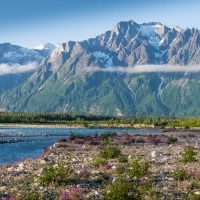
We focused on the Owyhee Canyonlands—an expansive and rugged landscape just beyond the growing city of Boise. Though it sits in our backyard, it remains unknown to many, and its protection depends on people understanding both its beauty and its importance.
The Idaho Conservation League plays an instrumental role in protecting the wild places we hold close here in Idaho. Advocates for the West, a nonprofit dedicated to “winning for the West’s natural treasures and wildlife,” provides essential legal support—ensuring that landscapes and species have a voice in systems often dominated by large-scale interests.
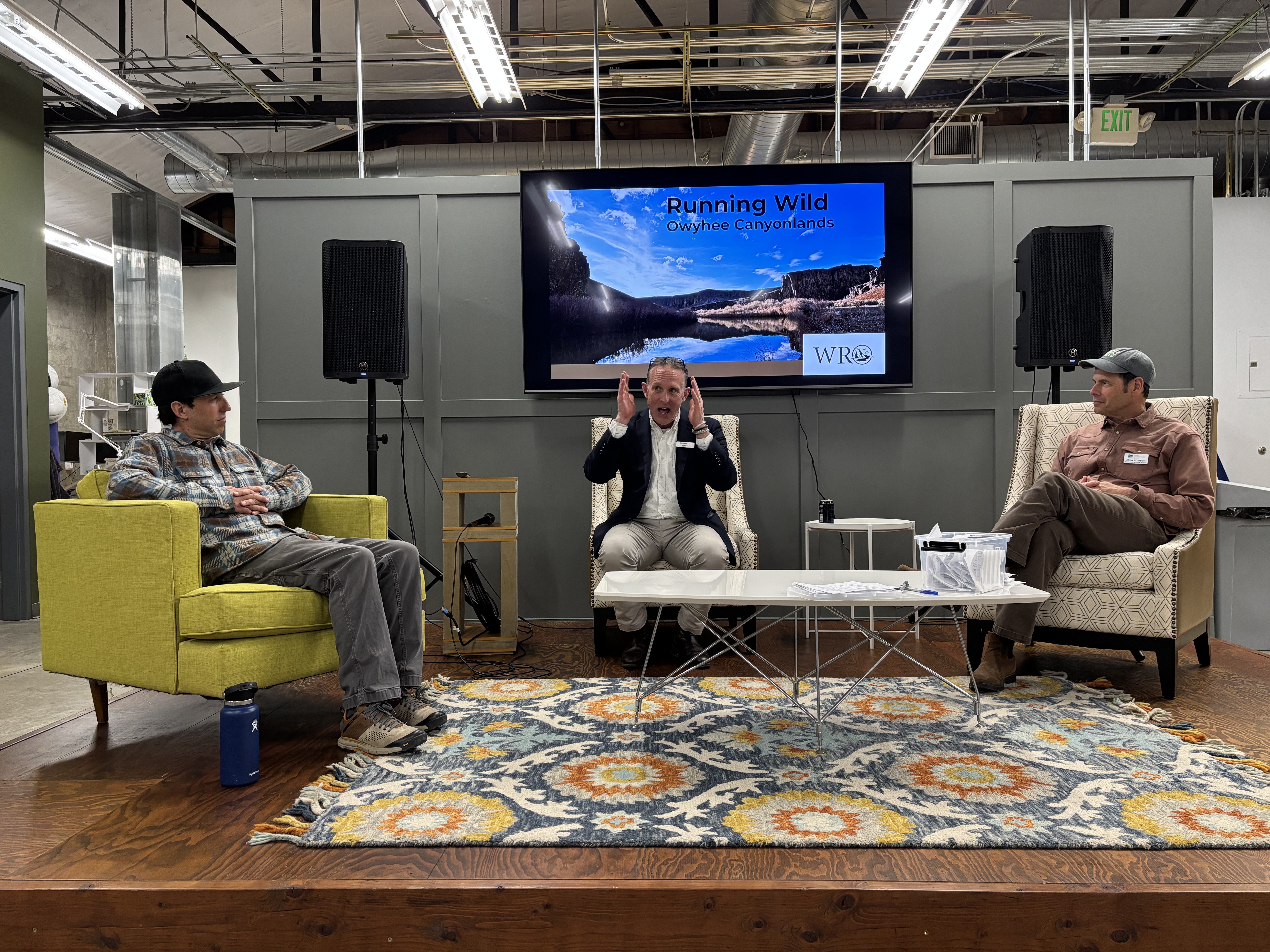
One of the most important ideas we shared at Running Wild is that no single group can do this work alone. Collaboration is the linchpin of meaningful conservation. Scientists, community members, nonprofits, and legal advocates each bring something essential to the table. Conservation organizations build relationships, gather data, and understand local values, while legal teams translate that work into lasting protections.
And within that collaboration, outfitters play a role that is often overlooked.
At a glance, it’s easy to assume that our job is to provide unforgettable outdoor adventures—and yes, creating meaningful, joyful experiences is something we care deeply about. But that’s not the full story.
Our work is about connection.
You cannot love what you do not know. And you cannot protect what you have never experienced.

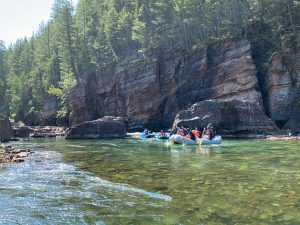
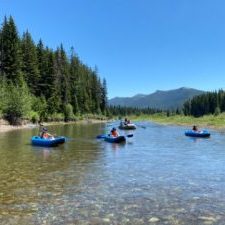
As guides, we introduce people to wild places in a way that allows them to truly feel them—to slow down, to notice, to belong. If there’s a metaphor, perhaps we’re something like a modern day Cupid? Not matchmaking people, but connecting people to places. The river is simply our arrow.
Again and again, we watch something shift. What people expect to feel “wild” often feels instead like a return—something familiar, grounding, even essential. In these landscapes, where ecosystems function in balance and rivers move freely, people reconnect not only with nature, but with themselves.
These experiences matter more than they might seem.
Wild places are not just beautiful—they are functional. They clean our air, filter our water, store carbon, and sustain biodiversity. They are part of the system that allows all of us to live. And yet, their protection depends entirely on whether people understand their value.
This is where our work becomes part of a much larger picture.
A river trip is not just a vacation. It can be the beginning of stewardship. It can awaken a sense of responsibility, curiosity, and care that extends far beyond a single experience. When people form a relationship with a place, they are far more likely to stand up for it.
Even for those who feel disconnected from conservation, the reality is simple: the health of these landscapes is directly tied to our own future. Without them, we risk not only ecological collapse, but the loss of something harder to define—the sense of wonder, balance, and belonging that makes us human.

Running Wild was not about booking trips. It was about pulling back the curtain on why we do what we do.
Yes, we run rivers. But more importantly, we help build relationships between people and the natural world—relationships that are essential to protecting it.
The event was a powerful reminder that conservation succeeds when a few key things come together:
- People come to know and love a place
- Different groups find shared values
- Collaboration bridges science, community, and advocacy
- Strong legal frameworks turn intention into protection
No single piece is enough on its own—but together, they form something resilient.
We were incredibly encouraged by the energy and engagement in the room that night. These are conversations worth having, and work worth continuing.
Because in the end, conservation doesn’t happen by accident. It happens when people choose to care—and then choose to act.
 Featured Trip